
When Friendship Breakups Hurt More Than Relationships

The Breakup You Didn’t See Coming
No one tells you that losing a best friend can wreck you worse than losing a partner.
There’s no playlist for it. No sympathy cards. No “how are you holding up?” texts.
Just silence.
One day you’re talking about everything— your goals, your faith, your messy relationships— and then suddenly, you’re strangers.
You go from voice notes everyday to double-checking if you should still like their post.
It’s confusing, right? Because friendship doesn’t usually “end.” It fades, shifts, or explodes quietly.
And yet, the grief still hits like a punch to the face.
I promise you’re not being dramatic. You’re experiencing attachment loss.
When we bond with someone deeply, through shared laughter, late-night talks, or being each other’s emotional safe space, our brains and bodies register that person as home.
So, when that bond breaks, your system panics. It’s not “just a friend.” It’s someone who held your story.
Why It Hurts So Much
In romantic breakups, there’s at least a script: closure talks, “we’re done,” moving on, etc.
Friendship breakups? They come with confusion and self-blame.
You start replaying everything… “Was it something I said?” “Did I miss a sign?”
You scroll through old photos trying to pinpoint the moment things changed.
Part of what makes this so painful is ambiguous loss.
It’s that weird middle space where the person is still alive, still posting, still out there, just not choosing you.
And that kind of silence is like a stab to the chest.
For many of my clients, this pain taps into old wounds of rejection and abandonment.
It’s not just about the friend, it’s about every time they’ve felt unseen, unchosen, or left behind.
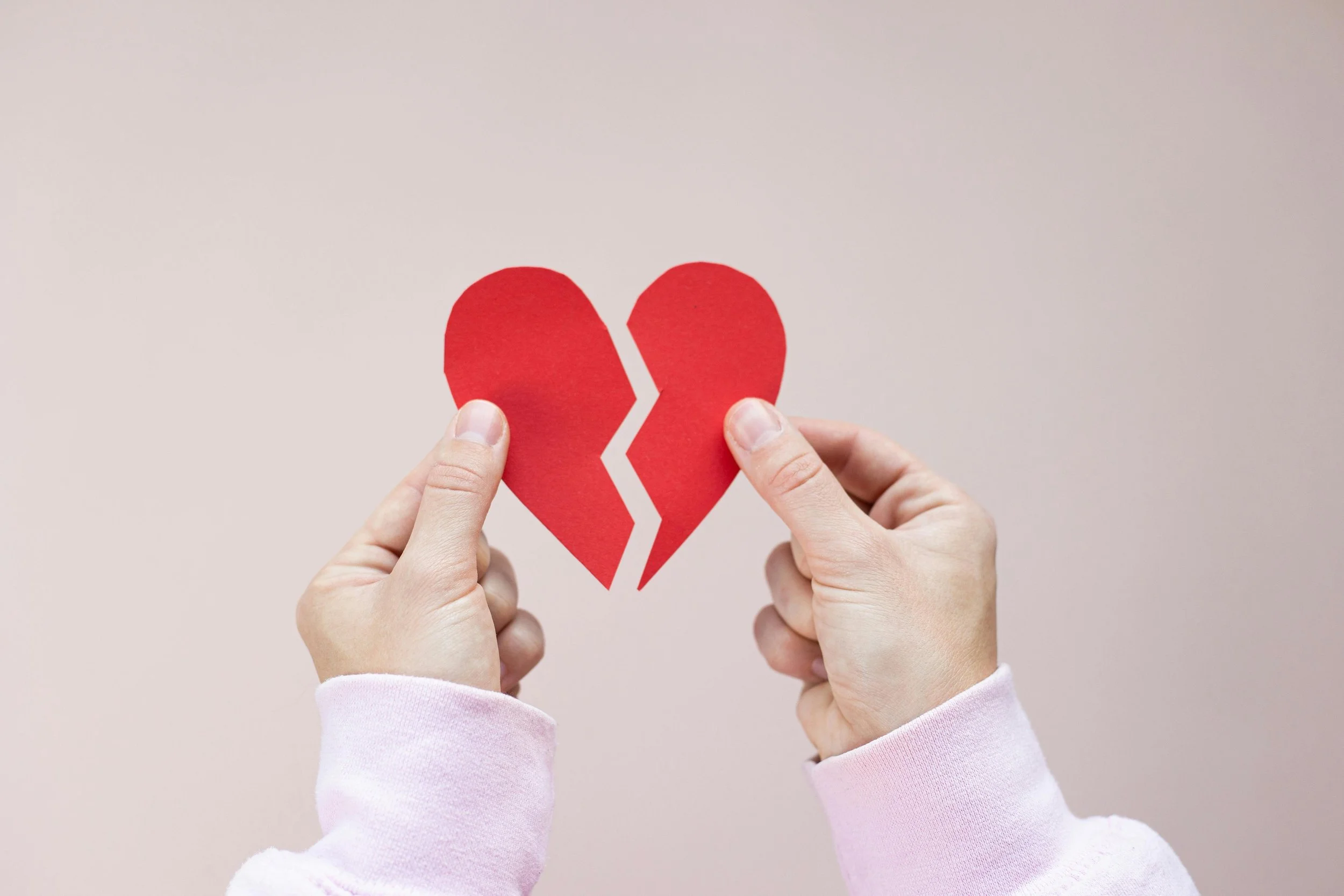
The Guilt That Comes With Moving On
Let’s be honest, Christians can carry a lot of guilt around letting go.
We think forgiveness means unlimited access.
We tell ourselves, “Real friends don’t give up on each other.”
But what if the friendship changed in ways that no longer aligned with your peace or growth?
What if holding on meant holding yourself back?
Sometimes, love requires release.
And you can let someone go without hate.
Even Jesus had an inner circle. He loved everyone, but He wasn’t close to everyone.
It’s okay to outgrow dynamics that no longer bear good fruit.
Naming What’s Really Going On
Here’s what I often see under the surface:
Unresolved attachment: You’re stuck in the “what ifs,” hoping one more text or prayer will fix it.
Emotional rumination: You keep revisiting conversations, trying to make sense of what went wrong.
Self-blame loop: You assume it’s your fault because you’ve been conditioned to maintain peace at all costs.
But friendship loss isn’t always about fault, sometimes it’s about fit.
People evolve, our values shift, and emotional needs change.
And pretending it doesn’t hurt doesn’t make you stronger, it just keeps you stuck.
How to Start Healing When Closure Doesn’t Come
You can’t heal what you won’t name. So start by calling it what it is: a breakup.
You don’t need a romantic label to justify your grief.
Here’s where to start:
Write the unsent letter.
Say everything you wanted to say without actually sending it. Let your body release what your heart’s been holding.Create a “no-contact with curiosity” rule.
That means don’t stalk, don’t text, and please don’t spiral, but do notice what emotions come up when you want to. That’s where the healing work lives.Replace the routine, not the person.
If you talked every night, use that time to reconnect with God and yourself, journal, pray, take a walk, call someone safe.Pray for healing and acceptance, not reunion.
Because sometimes the peace you’re asking God for doesn’t come through reconciliation, it comes through release. Philippians 4:7 says, “And the peace of God, which surpasses all understanding, will guard your hearts and your minds in Christ Jesus.”
You don’t need their return to heal, God can meet you in the space their absence left behind.

What This Teaches You About You
Friendship breakups have a way of showing you your attachment style in real time.
If you’re anxiously attached, you’ll try to fix, chase, or earn your way back in.
If you’re avoidant, you’ll pretend you don’t care at all, just to protect yourself.
Neither one is wrong; they’re just survival responses.
But healing means finding middle ground: caring deeply without losing yourself.
And when you do the inner work— the journaling, therapy, praying, reflecting— you realize:
You didn’t lose your worth when you lost that friendship.
Final Thoughts
Friendship heartbreak deserves real grief.
It’s not “just a phase” or “just hormones.” It’s loss.
And you’re allowed to miss them while still moving forward.
You’re allowed to cry and still wish them well.
And you’re certainly allowed to outgrow someone and still thank God for the good moments you shared.
Healing doesn’t mean forgetting. It means making peace with the fact that love can still exist, even when the relationship doesn’t anymore.
And maybe…possibly, this loss is an invitation:
To build deeper more meaningful friendships that actually feel good both ways.
If this struck a cord, you’re definitely not alone.
I help Christian Millennials and Gen Z navigate the pain of relational loss, from breakups to friendship drift, so they can reconnect with themselves, others, and God in a healthier way.
Book a free 15-minute consult to start unpacking this with a therapist who gets it.
